
By Sarah
When I think of the many seasonal cycles on the farm, one of them is the flow of harvest and the supply of vegetables into the barn. As we crest into January and the new year, the choices in the barn usually begin to dwindle and the pick list will remain essentially the same. Most of the field crops are done, although we still harvest chard, chicories, and leeks as long as we can. We do our best to have a good supply of lettuce mix, spinach, pac choi, and more from the tunnels. The storage crops slowly diminish as well. As we approach April, the selection is much slimmer. Hence, in January, I often feel a twinge of sadness knowing that the abundant harvest will not come for another 6 months, even if green garlic and asparagus will be bright spots in between. And yet, when I have expressed my sadness to members, I have often been met with feedback that lifted my spirits. I have heard that they enjoy the more limited selection; that the abundance can be overwhelming. I can relate. The abundance of choices in our lives can be too much. I joke that one of my survival strategies is to find a way to limit my choices, such as only considering family names for our children. When I lean into those limitations, I find space for creativity.
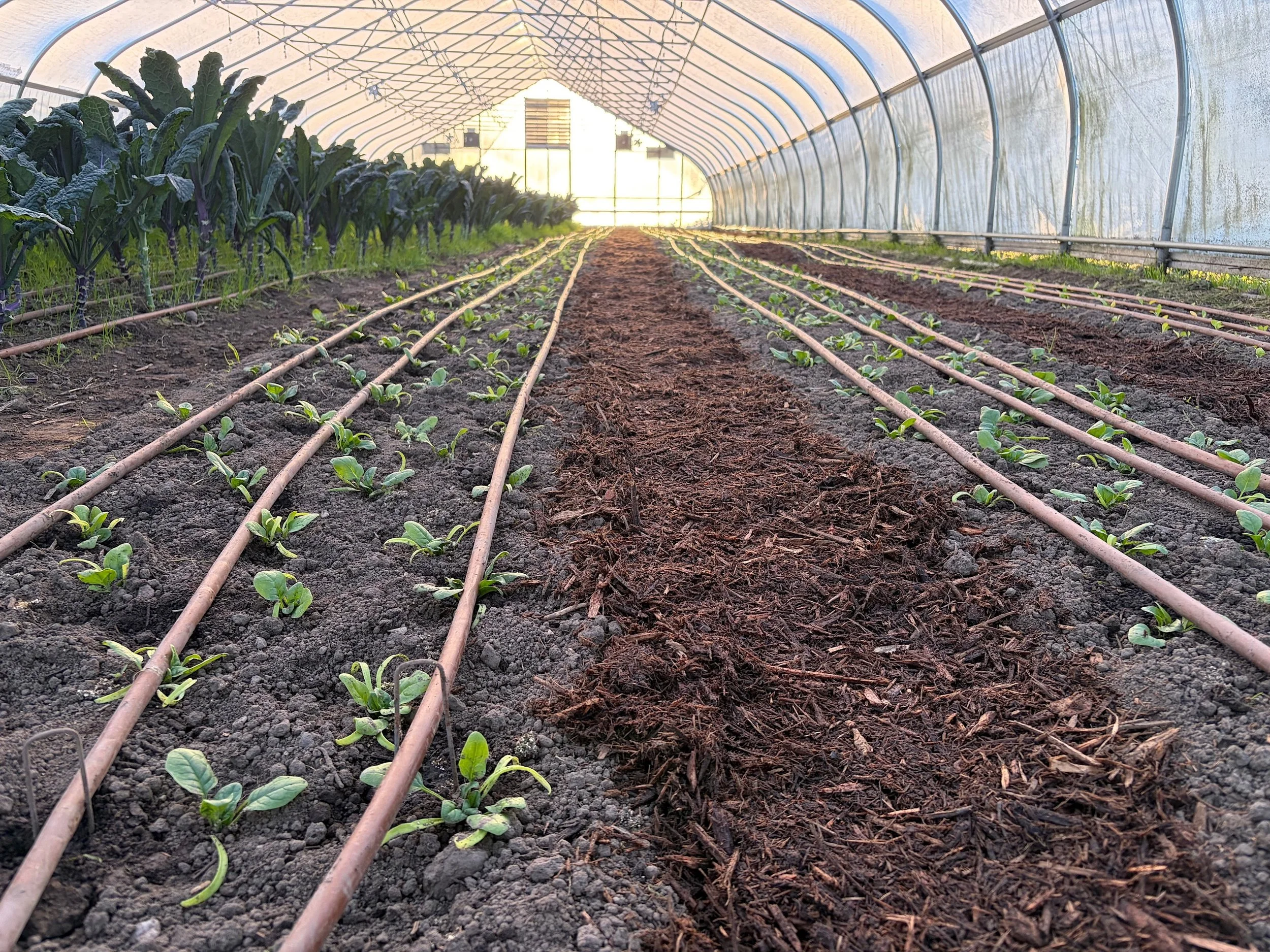
In the tunnels, we are still looking for ways to manage the symphylans, the arthropods that love to munch on the roots of our crops. We are working this week to remove all the fabric pathways that we have used for several years and to replace them with bark mulch. The hope is that the bark mulch will encourage more fungi to be present in the soil, creating more balance and lessening the dominance of the symphylans. We added in the fabric pathways many years ago as a weed management tool. It was a success in that regard but it may be that simple choice also led to us inviting in the symphylans. There is no way to know for sure but we are excited about the change and the possibility of reducing the symphylan pressure.
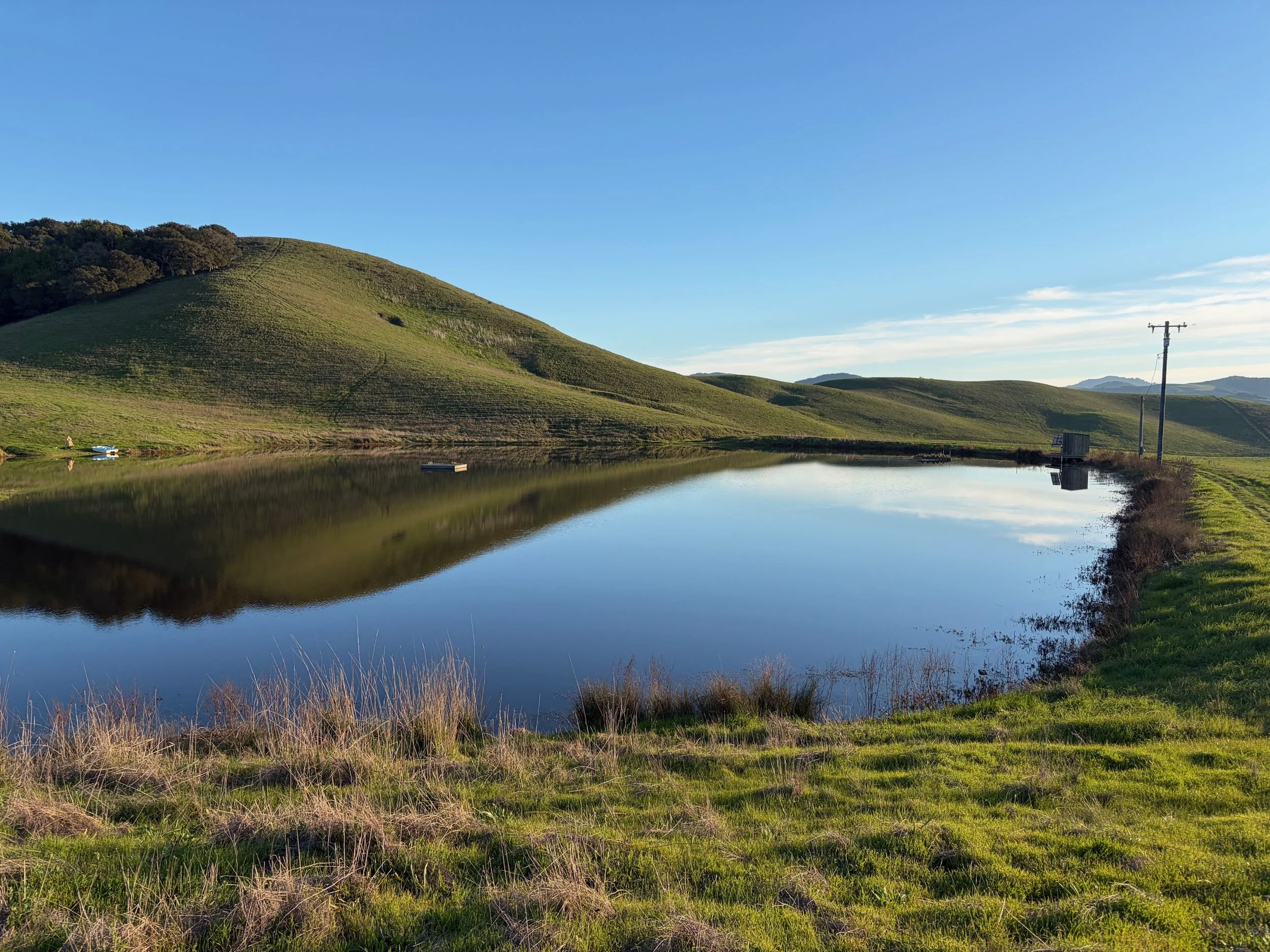
Returning to the cycles on the farm, the other one that is present in my mind is water and the filling of the ponds. It is almost the opposite of the crops: as the ponds fill, the crops shrink and as the harvest grows, the pond lowers. They are intimately connected of course, as we irrigate with the pond water. The pond is currently 2 inches from overflowing, which is essentially full. Every time, I crest over the path and see horizon full of water, my heart swells. It is so beautiful.
Open Field Farm 2025 | The "ALL YOU NEED TO KNOW" guide for members
CSA Barn Hours:
Winter hours: 2:30-6:00 pm
Pick List:
Eggs
Nicola Yellow, Harvest Moon Purple, Red, and Fingerling potatoes
Merlin Beets
Yaya Carrots
Hablange Parsnips
Cortland Yellow and Maria Nagy’s Red Onions
Verdonnet Leeks
Purple Daikon and Watermelon Radish
Rutabaga
Mars Celeriac
Passat Green, Kilmaro Red, Deadon Savoy Cabbage
Kohlrabi
White Russian and Dazzling Blue Kale
Rhubarb Chard
Parsley
Chioggia, Treviso, Sugarloaf, and Radicchio
Delicata, Acorn, Tetsukabota, and Butternut Winter Squash
Winter Luxury Pumpkins
Whole Dried Hot Peppers
Herbal Tea Blends
Pick your own flowers and herbs
Beef Bone Broth (Made by Olla Products)
Saltonstahl Olive Oil
Revolution Bread for sale on Tuesday and Friday
Open Field Farm Swag!
Crunchy Brown Butter Baked Carrots, from smittenkitchen.com
1 pound (455 grams) carrots, cut into them into 2 inch long sections and then quarter them
5 tablespoons (75 grams) unsalted butter, divided
¾ cup panko-style plain breadcrumbs
Kosher salt
1 medium shallot, chopped
2 garlic cloves, minced
3 tablespoons (25 grams) all-purpose flour
1 cup (235 ml) vegetable broth
Freshly ground black pepper
3 tablespoons minced parsley, or a mix of herbs you like with carrots such as chives and dill, divided
2 tablespoons capers, drained
1 cup (85 grams) grated gruyere or comte cheese
Make the brown butter crumbs: In a large skillet, melt 2 tablespoons (30 grams) of the butter over medium heat and keep cooking it, stirring here and there, until the butter has brown flecks all over and smells dreamy. Add the breadcrumbs and two pinches of salt to the pan and toast, stirring, until they’re golden brown all over. Scoop the crumbs out and set them aside.
Make the sauce: Heat the remaining 3 tablespoons (45 grams) of butter and brown it, too. Once browned, increase the heat to medium-high and add the shallots. Cook the shallots until tender and beginning to brown at the edges, 3 to 5 minutes. Add the garlic and cook for one minute more. Add the flour and cook until it disappears; it will look like a chunky paste. Add the broth, stirring until the flour mixture disperses. Bring the sauce to a simmer and season with 1 teaspoon kosher salt (I’m using Diamond brand; start with half of other brands) and many grinds of black pepper. The sauce is going to seem too thick but that’s intentional; more water will come out of the carrots as they bake. Add carrots and stir to combine, cooking them together for one minute. Stir in 2 tablespoons of the herbs.
Assemble and bake: Transfer the carrots and their sauce to a 1-quart baking dish. Cover tightly with foil and bake for 45 minutes to 1 hour, until carrots are tender (spear with a knife or toothpick to check for no resistance). Increase oven temperature to 400°F (205°C). Transfer dish briefly to a heatsafe surface. Remove foil, stir in capers. Combine cheese and toasted crumbs and sprinkle on top. Return to the oven for 10 minutes, or until cheese is melted. For more color on top, run the pan briefly under your oven’s broiler.
Serve: Sprinkle with remaining 1 tablespoon herbs and dig in.
Do ahead: You can prepare the dish up to the point when it goes in the oven and pause for a few hours, or overnight in the fridge. You could also pause right before adding the cheese and crumbs for the final bake; this would be ideal to do right before serving. Leftovers can be reheated in a 350-degree oven.