
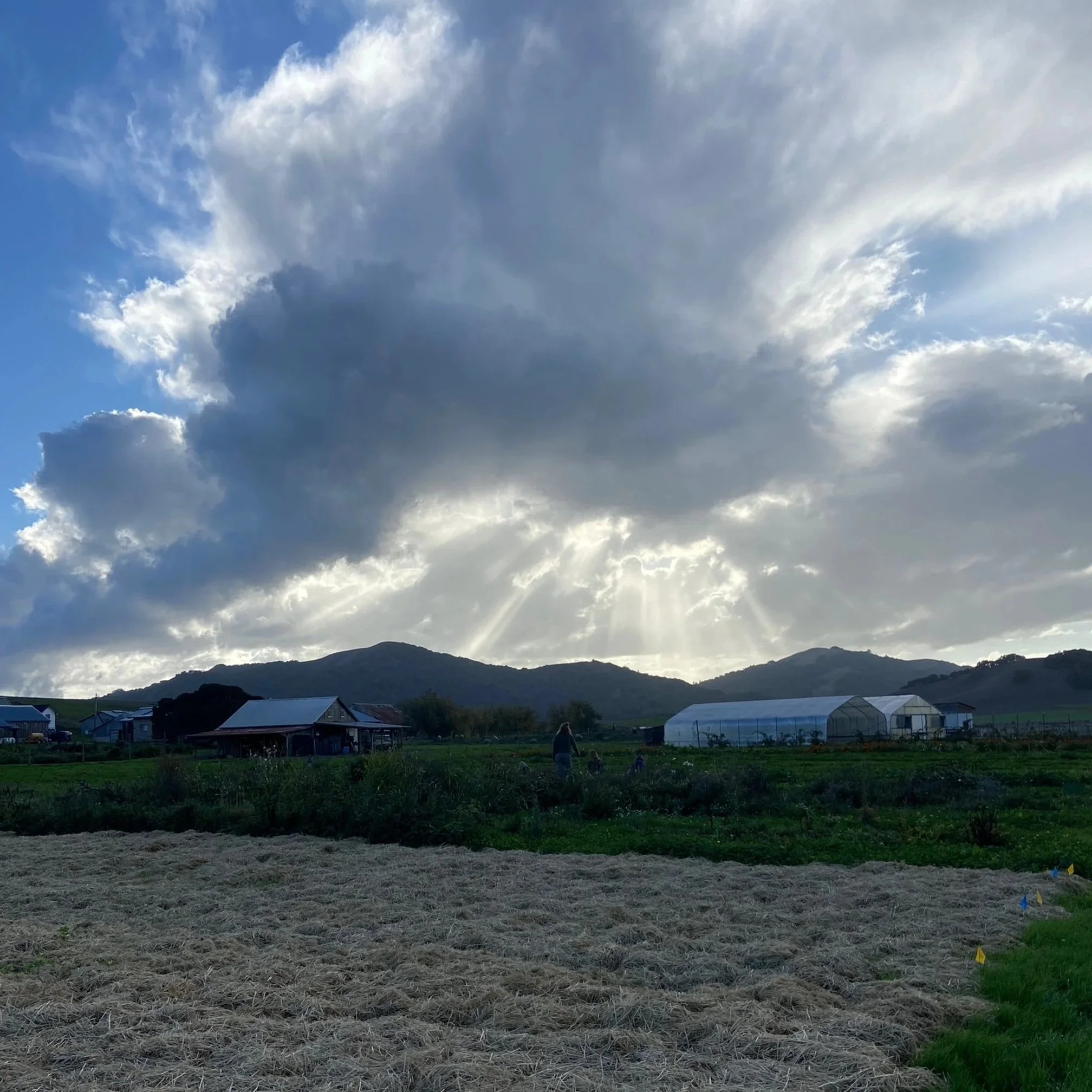
By Cici
This past weekend I started reading a book my mom got me for christmas and one essay in this book used the word ‘fallow’ to describe that period of time the author allows themselves before embarking on a creative project. There's always a giddiness I feel whenever I come across an agricultural term or practice in an unexpected place. I think it taps into the pride of being a farmer and wanting to tell anyone nearby, “Ah yes, I completely understand this analogy. I understand it probably more than the author thinks I do”. Even though this one word was a minute part of the essay, it stuck with me the most. It might be the way the word fallow rolls around the tongue or how it seems like it should be used to describe a medieval fairy den.
Here at Open Field, Sarah chooses to fallow some of our fields for a little over a year. This allows the microbial and fungal networks to rebuild to help restore fertility, improve soil texture, and break down organic material. Something which is near impossible for them to do with constant soil disturbance. In the natural world, one year is extremely brief. For us (human society at large and what we consider external to the natural systems we came from), however, one year off can be seen as entirely unreasonable. Heck, isn't that why everyone wants to get on the AI train and maximize our own ‘up time’ as humans?
Really, fallowing isn’t a lack of work or productivity, it's just one system we have to trust functions outside of our sight line and control. How refreshing! It might even be lore that if you turn back to look at a field as you leave it to fallow, a god (one of agriculture, with a short temper) will turn you to salt in that very field compromising all that fertility you were after in the first place.
Anyways, tell all your friends and family that sitting on the couch relaxing is actually how you fallow and just because they can't see the benefits doesn't mean they aren't there. It also helps if you too appreciate the benefits of this rest.
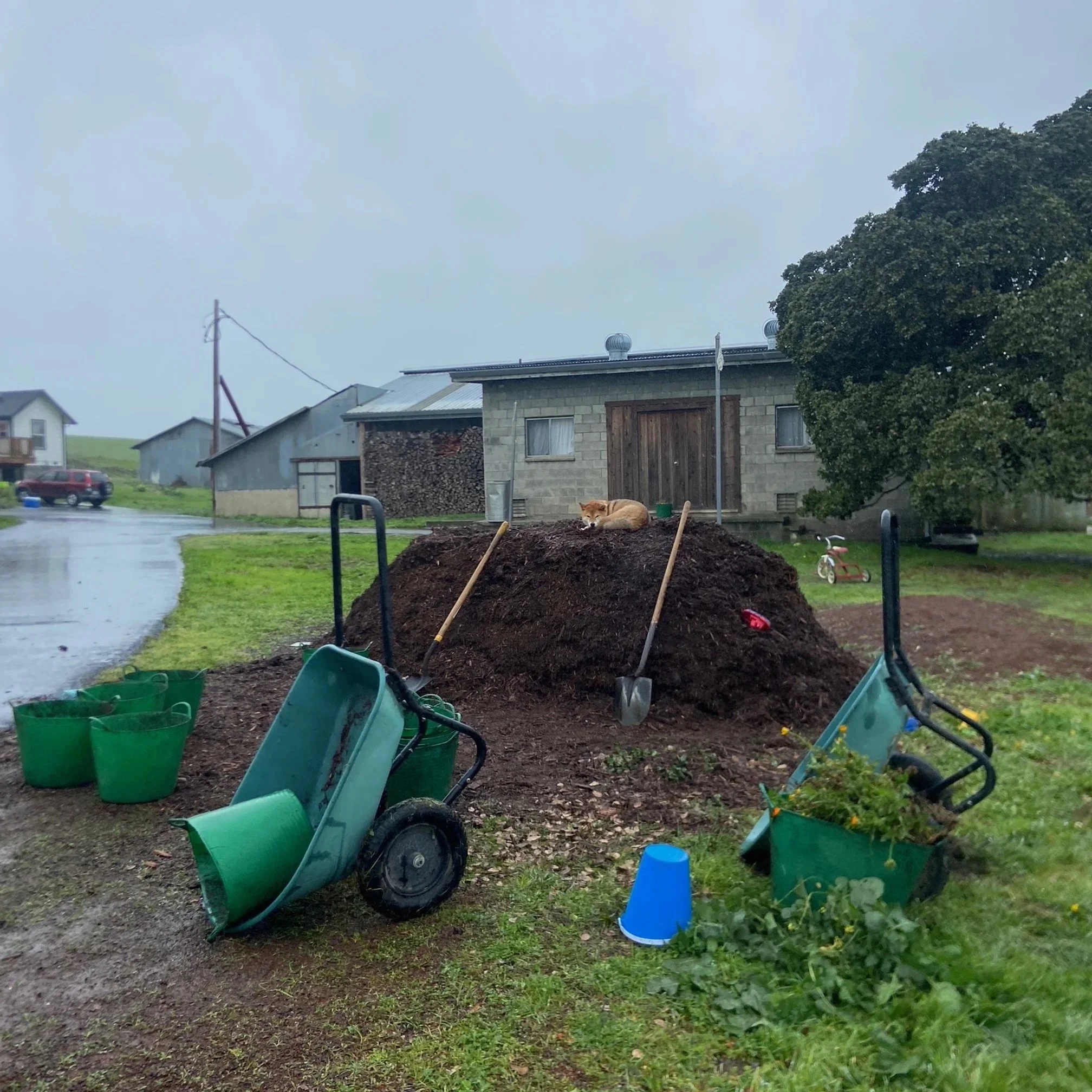
Open Field Farm 2025 | The "ALL YOU NEED TO KNOW" guide for members
CSA Barn Hours:
Winter hours: 2:30-6:00 pm
Pick List:
Eggs
Nicola Yellow, Harvest Moon Purple, Red, and Fingerling potatoes
Merlin Beets
Yaya Carrots
Hablange Parsnips
Cortland Yellow and Maria Nagy’s Red Onions
Verdonnet Leeks
Parade Scallions
Purple Daikon and Watermelon Radish
Rutabaga
Mars Celeriac
Passat Green, Kilmaro Red, Deadon Savoy Cabbage
Kohlrabi
Fennel
Lettuce Mix
White Russian and Dazzling Blue Kale
Rhubarb Chard
Parsley, Dill, and Cilantro
Chioggia, Treviso, Sugarloaf, and Radicchio
Delicata, Acorn, Blue Kuri, Butternut, and Spaghetti Winter Squash
Winter Luxury Pumpkins
Whole Dried Hot Peppers
Herbal Tea Blends
Pick your own flowers and herbs
Beef Bone Broth (Made by Olla Products)
Saltonstahl Olive Oil
Revolution Bread for sale on Tuesday and Friday
Open Field Farm Swag!

EASY FALL ORZO SALAD WITH DELICATA SQUASH AND KALE, from cookingwithcar.com
1 cup cooked orzo
4 cups chopped dino kale, stems removed and chopped
2 small roasted delicata squash, sliced
2 cups shredded Brussel sprouts, roaste
1/2 red onion, thinly sliced
1/3 cup crumbled goat cheese
1/4 cup toasted pine nuts
1/3 cup pomegranate seeds
Maple balsamic dressing (see below)
Olive oil
Salt and pepper to taste
Roast the Squash: Preheat your oven to 400°F (200°C). Slice the delicata squash in half lengthwise, remove the seeds, and cut into half-moons. Toss with olive oil, salt, and pepper. Roast on a baking sheet for about 20-25 minutes, or until tender and caramelized.
Roast the Brussel Sprouts: While the squash is roasting, spread the shredded Brussel sprouts on a separate baking sheet. Drizzle with olive oil, season with salt and pepper, and roast for about 15-20 minutes, until crispy and golden.
Combine Ingredients: In the bowl with the kale, add the cooked orzo, roasted delicata squash, roasted Brussel sprouts, thinly sliced red onion, crumbled goat cheese, toasted pine nuts, and pomegranate seeds.
Dress the Salad: Drizzle with maple balsamic dressing and toss gently to combine. Adjust seasoning with salt and pepper to taste.
Serve: Enjoy your salad warm or cold!
Maple Balsamic Dressing
3/4 cup of olive oil
1/4 cup of balsamic vinegar
1/4 cup of maple syrup
juice of one lemon
1 tbsp of dijon mustard
1 tsp of salt and pepper
1/2 tsp of garlic powder or 2 gloves of garlic
In a blender, add all your ingredients. Blend until super creamy. Enjoy!